The best non toxic sippy cups are made of stainless steel or food-grade silicone, with no plastic touching the liquid, no BPA, BPS or phthalates, and parts you can pull apart to clean. Stainless steel wins for durability and takes a toddler's throwing arm without a scratch. If you prefer a lighter, softer cup, food-grade silicone is a solid second choice. Plastic is not automatically dangerous, but it is the material most likely to leach when it gets hot, scratched or old, so I would not make it the thing your child drinks from every day.
Here is the honest part nobody tells you: the material matters, but the cleaning matters just as much. A "non-toxic" stainless cup with a sealed straw you cannot scrub will grow mold in the valve within a week, and that is a real exposure, not a theoretical one. So this guide picks cups that are both made of safer materials and genuinely easy to take apart. Baby bottles are a different conversation with different needs, covered in our Best Non-Toxic Baby Bottles guide. This page is about drinking vessels for toddlers and bigger kids: sippy cups, straw cups and tumblers.
What Makes a Kids Cup Genuinely Low-Tox
Start with the part that touches the drink. Stainless steel and food-grade silicone are the two materials I trust most for daily use. Glass is wonderful for home but obviously not a toddler-proof choice on the go. Plastic is the one to be cautious with, not because every plastic cup is leaching poison, but because heat and wear are exactly what toddler cups get, and heat and wear are what push chemicals out of plastic.
The labels worth looking for: "BPA-free," "BPS-free," and "phthalate-free." BPA (bisphenol A) and its cousin BPS are used to harden plastics and have been studied for hormone-related effects. Phthalates, the chemicals that make plastics soft and flexible, are the other family to avoid. The FDA has restricted some uses but the science keeps evolving, and the NIEHS overview of bisphenol A is a calm place to read what is actually known. For context on why small daily exposures add up, see the toxic buildup effect.
My honest take on plastic cups
I am not going to tell you to throw out the plastic cup your child loves. In our house the rule I landed on was simple: change what is clearly mine to change, and let the family keep what they love. If a plastic cup is BPA and phthalate free, not scratched, and never goes in the microwave, it is a reasonable choice. But if you are buying new, stainless steel is the better long-term value: it outlives three plastic cups and never leaches, scratch or no scratch. One thing I never do, with any storage or drink container: heat food or liquid inside it. Warm milk goes in a pot or a mug, never zapped in the cup.
Our Top Picks at a Glance
| Product | Best For | Key Material or Certification | Why It Wins |
|---|---|---|---|
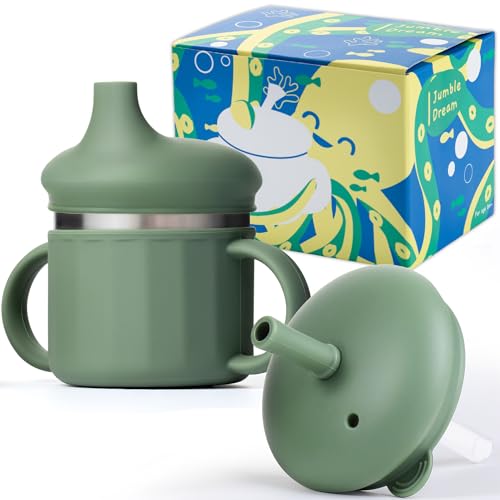
| Jumble Dream Stainless Steel Straw Cup | Best Overall | 18/8 stainless steel, BPA-free parts | Durable steel body, spill-proof straw, insulated |
| Munchkin Stainless Steel 360 Cup | Best for Transitioning to a Real Cup | Stainless steel, BPA-free | Drinks from any edge, builds normal cup skills |
| Re-Play Spill-Proof Sippy Cups (Set of 6) | Best Budget Pick | BPA/phthalate-free recycled plastic, Made in USA | Cheap, cheerful, replace-without-crying value |
| Comotomo Toddler Tumbler | Best Silicone Option | Food-grade silicone, straw + spout | Soft, grippy, two drinking styles in one |
Best Overall: Jumble Dream Stainless Steel Straw Cup
The Jumble Dream hits the combination I want most: an 18/8 stainless steel body so the liquid never touches plastic, a spill-proof straw, and insulation that keeps water cold through a long afternoon at the park. For everyday hydration this is the cup I would reach for first, because the steel interior is the part that matters and it is the part that cannot leach.
Pros:
- Stainless steel interior, nothing plastic touching the drink
- Spill-proof straw design for messy toddler reality
- Insulated, so cold water stays cold
- Sturdy enough to survive the inevitable floor drops
Cons: The straw and valve parts still need taking apart and scrubbing, and if you skip that, any straw cup will grow gunk. Factor the cleaning in.
Best for Transitioning to a Real Cup: Munchkin Stainless Steel 360 Cup
The 360 design lets a child drink from any point on the rim, which trains the lip and tongue movement they will use with a real glass. That makes it my pick for the stage when you are weaning off the sealed spout. The stainless steel version means you get that skill-building edge without a plastic drinking surface.
Pros:
- Drinks from anywhere on the rim, closer to a normal cup
- Stainless steel body, BPA-free
- Auto-seal rim reduces spills when set down
- Good bridge between sippy cup and open cup
Cons: The silicone sealing ring is where liquid can sit, so it needs regular removal and a proper clean. It is also less spill-proof than a straw cup if a toddler decides to shake it.

Best Budget Pick: Re-Play Spill-Proof Sippy Cups (Set of 6)
Sometimes you need cups you will not mourn when one disappears under the couch for a month. The Re-Play set gives you six, they are BPA and phthalate free, made in the USA, and dishwasher and microwave safe. These are plastic, so they come with my standard plastic caveat, but as honest, affordable, replace-them-easily cups they are hard to beat.
Pros:
- Six cups for the price of one premium steel bottle
- BPA and phthalate free, made in the USA
- Dishwasher safe, which makes real-life cleaning simple
- Great for daycare, playdates and "we lost another one" days
Cons: They are plastic. Even good plastic scratches over time, and I would not microwave them despite the label, since I never heat anything in a drinking vessel. Treat them as the practical everyday fleet, not the forever cup.

Best Silicone Option: Comotomo Toddler Tumbler
If your child does better with something soft and grippy, the Comotomo tumbler is food-grade silicone and comes with both a straw and a spout top, so you can match the lid to the stage your child is in. Silicone is gentle on gums and teeth, bounces instead of denting, and does not have the metallic taste some kids notice with steel.
Pros:
- Food-grade silicone, soft and easy for small hands to grip
- Two tops included (straw and spout) for different stages
- Forgiving when dropped, no dents or chips
- No metallic taste some children dislike
Cons: Silicone can hold onto strong smells and stains over time, and the soft body means it holds less than a slim steel bottle. It is also at the premium end of the price range.

How We Chose
I vetted these on three things: the material touching the drink (stainless steel or food-grade silicone preferred, plastic only when BPA and phthalate free), how completely the cup comes apart for cleaning, and manufacturer transparency about materials. I have not personally tested every cup here, so I am judging on construction, materials and how the design holds up to the way toddlers actually use things. Where a cup is plastic, I say so plainly rather than hiding it behind a "non-toxic" badge.
The Cleaning Trap Nobody Warns You About
This is the part I feel strongest about. The material of the cup is almost beside the point if you cannot clean the straw and valve. Those tiny, dark, damp channels are perfect for mold, and a moldy valve is a real exposure that no "BPA-free" sticker protects against. My rule: if a cup does not fully disassemble, I do not buy it. Pull out every silicone ring and straw after use, wash the small parts by hand even if the body is dishwasher safe, and let everything air dry completely before reassembling. A cheap straw-cleaning brush is the best couple of dollars you will spend here.
What to Avoid When Buying
Skip anything vague. "Eco" and "natural" on a cup mean nothing without a material named. Here is what I steer clear of:
- Unlabeled plastic with no BPA or phthalate statement. If they will not tell you, assume the cheapest option.
- Cups you cannot take apart. A sealed straw mechanism is a cleaning problem waiting to happen.
- "Microwave safe" as a reason to microwave in the cup. I never heat liquid inside a drinking vessel, steel, silicone or plastic. Heat is what drives leaching and warps seals.
- Painted or coated interiors. You want the drink touching bare steel or pure silicone, not a decorative coating.
For the wider picture on plastics in kids' products, are plastic toys safe covers BPA and phthalates in more depth, and the EPA's guidance on reducing chemical exposure is worth a read for context on dose and everyday exposure.
When to Replace a Kids Cup
Stainless steel can genuinely last for years, which is why it is the better value despite the higher upfront cost. Replace any cup when you see scratches you cannot clean out of a plastic interior, when silicone parts turn sticky, cloudy or torn, or when a straw or valve stains in a way that will not scrub clean. Cloudy, warped or cracked plastic is your cue to retire it, use it for craft water or pour-practice, not drinking. One good steel bottle outliving a drawer of plastic ones is exactly the kind of one-time swap that saves money over time, the same logic behind starting low-tox on a budget.
Safer Swaps
Use up what you have first, then switch in this order:
- Swap the everyday drinking cup to stainless steel. This is the cup your child uses most, several times a day, so it is the highest-impact change. The Jumble Dream straw cup is where I would start.
- Add a food-grade silicone option if your child prefers soft cups. The Comotomo tumbler covers that preference without going back to plastic.
- Keep a budget plastic set only as backups. The BPA and phthalate-free Re-Play set is fine for daycare and chaos days, just never microwaved and never the main daily cup.
For the rest of the house, our plates and utensils and kitchen guide and the full children and family hub cover the next swaps.
The Bottom Line
Buy one stainless steel sippy or straw cup for daily use, make sure it fully comes apart, and commit to scrubbing the straw. That single swap covers the cup your child drinks from most, which is where a safer material actually makes a difference. You do not need to replace every cup in the cabinet this week, and you do not need to panic about the plastic one they already love. Start with the daily cup, clean it properly, and let the rest follow as things wear out.