LivingToxFree
You do not need to change everything. If you take one thing from this page, let it be that. Starting low-tox living means picking a single swap, the one that gives you the most benefit for the least cost and hassle, and leaving the rest of your house exactly as it is for now. One swap beats no swap, every single time.
So why does almost everyone start by trying to replace it all? Because the moment you learn what is in ordinary products, panic sets in and the shopping cart fills up. I know, because that is exactly what I did, and I will tell you how that went. The good news: there is a simple method for finding YOUR first swap, and it takes about two minutes.
First, the reassurance
Do you'll want to throw out your shampoo? No. Do you'll want to bin the half-used lotion in your bathroom? Also no. The rule here is use it up, then swap. Finishing a product you already own and replacing it with a cleaner version when it runs out costs you nothing extra and wastes nothing.
Low-tox living is not a purity contest. You cannot remove every exposure (the air itself brings some), and chasing 100 percent is the fastest way to feel defeated and quit. Every change in a healthier direction is a plus. You decide what level is right for your life and your budget.
The one method for finding your first swap
Not all products are equal. A hand soap you use for ten seconds and rinse off matters far less than a body lotion that sits on your skin all day. So instead of guessing, score your everyday products on three simple questions:
- How often do you use it? Daily beats occasional.
- How much skin does it cover? Whole body beats one small spot.
- Does it stay on or rinse off? Leave-on beats rinse-off, because your skin has hours to absorb it instead of seconds.
The product that scores highest on all three is your best first swap. Here is what that looks like for a few things sitting in a typical bathroom:
| Product | Used how often | Skin covered | Stays on or rinses off | First-swap priority |
|---|---|---|---|---|
| Body lotion / moisturizer | Daily | Large | Stays on | Highest |
| Foundation / tinted moisturizer | Most days | Face | Stays on | High |
| Deodorant | Daily | Small | Stays on | Medium-high |
| Shampoo | Few times a week | Scalp | Rinses off | Lower |
| Hand soap | Many times a day | Hands | Rinses off | Low |
For most people this points to a leave-on skin product: a daily body lotion or a foundation you wear for hours. But run your own numbers. If you never use lotion but wear foundation every day, that is your answer. If you live in deodorant and skip makeup, start there. The method decides, not me.
Why this works: leave-on products have the most contact time with the largest area of skin, so switching one of them moves the needle more than swapping five things you rinse off in seconds. If you want to understand why small daily exposures add up, The Toxic Buildup Effect explains it calmly.

A 30-second habit that saves you from guesswork
Before you buy your first cleaner swap, look it up. I check every new skincare or makeup product on INCIdecoder, an ingredient database, before it goes in my cart. It takes about half a minute and it has become second nature. If deciphering an ingredient list feels like reading another language, start with INCI Names Decoded, and if you want the short list of what to actually avoid, see Toxic Offenders: The Top 12 Chemicals.
The reason to care about leave-on cosmetics in particular: the FDA does not require cosmetics or their ingredients to have approval before they go on the market, apart from color additives. You can read that straight from the source on the FDA's cosmetics page. That does not mean everything on the shelf is dangerous. It means reading the label is on you.
How I did it (yours may look different)
Here is my path, offered as an example, not a rulebook. I used to wear a lot of makeup, so when I started I went straight for the things touching my skin: makeup first, then body wash, cleansers, shampoo, toothpaste, every product in contact with my skin. That made sense for ME because skin-contact products were where I had the most exposure.
My early mistake? Shocked by how many questionable ingredients were in ordinary products, I tried to replace everything at once. It got expensive fast, and it collided with family life: you cannot throw out your kids' favorite things or your husband's products just because you had an epiphany. I learned to change what is clearly mine and let everyone else make their own choices. Free will applies to the whole household.
Your path will look different, and that is the point. The order depends on what you use most, your budget, and who else lives with you. A busy parent of toddlers might start somewhere completely different from a single person who wears makeup daily. If money is tight, Toxin-Free on a Budget walks through how to prioritize when you cannot overhaul everything.
After your first swap
Once your first swap is done and it feels easy, you can keep going at whatever pace suits you. Each of these areas has its own full guide, so pick the next one that fits your life:
- Food: the single biggest focus for many of us. Start with Food & Kitchen.
- Drinking water: filtering is simpler and cheaper than most people expect. See the water guidance in Food & Kitchen.
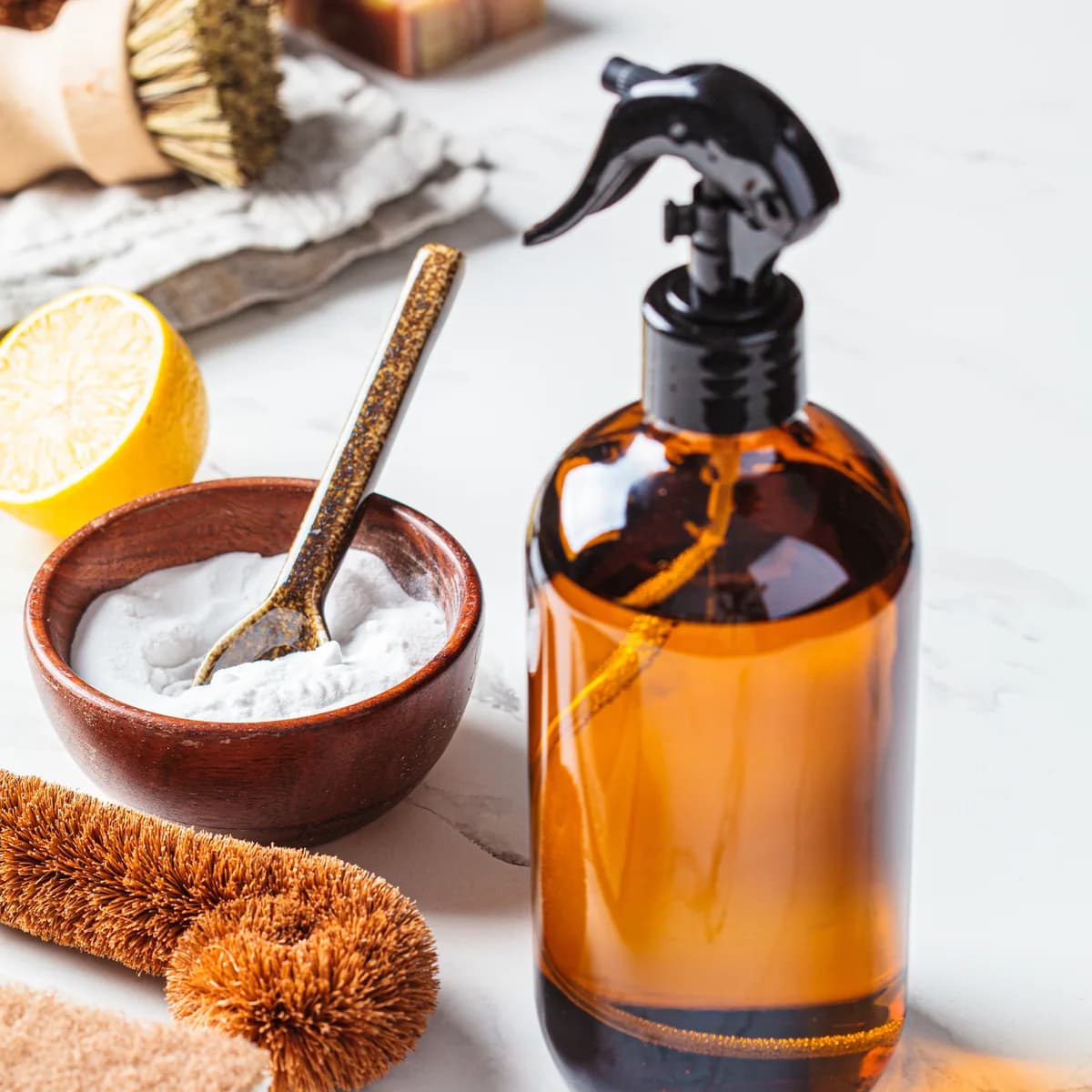
- Cleaning products: swap as bottles run out. Start with Best Non-Toxic Cleaning Products or build your own with the Non-Toxic Cleaning Kit.
- Kitchen and cookware: glass food storage is the easiest win there is. See Food & Kitchen.
- Air at home: candles, air fresheners and ventilation. Start with The Non-Toxic Home.
No rush. One area at a time, in whatever order makes sense for your house.
What this actually costs
The money worry is real, and here is the honest breakdown. The expensive part is the one-time switch of long-lasting items: kitchen cookware, water filtration. Those are not small purchases, but they last for years, so the cost per year of use is tiny.
Ongoing personal-care costs are about the same as conventional premium products. A clean lotion or shampoo is not dramatically pricier than a mid-range conventional one. And there is a quiet saving most people miss: I wear much less makeup than I used to, and my makeup spending dropped right along with it. Switching cleaner often costs less than you fear, and sometimes less than what you spent before.
What you never have to do is replace everything in one go. That is the expensive mistake, and it is never required.
Safer Swaps
In priority order, easiest and highest impact first. Use up what you have, then switch:
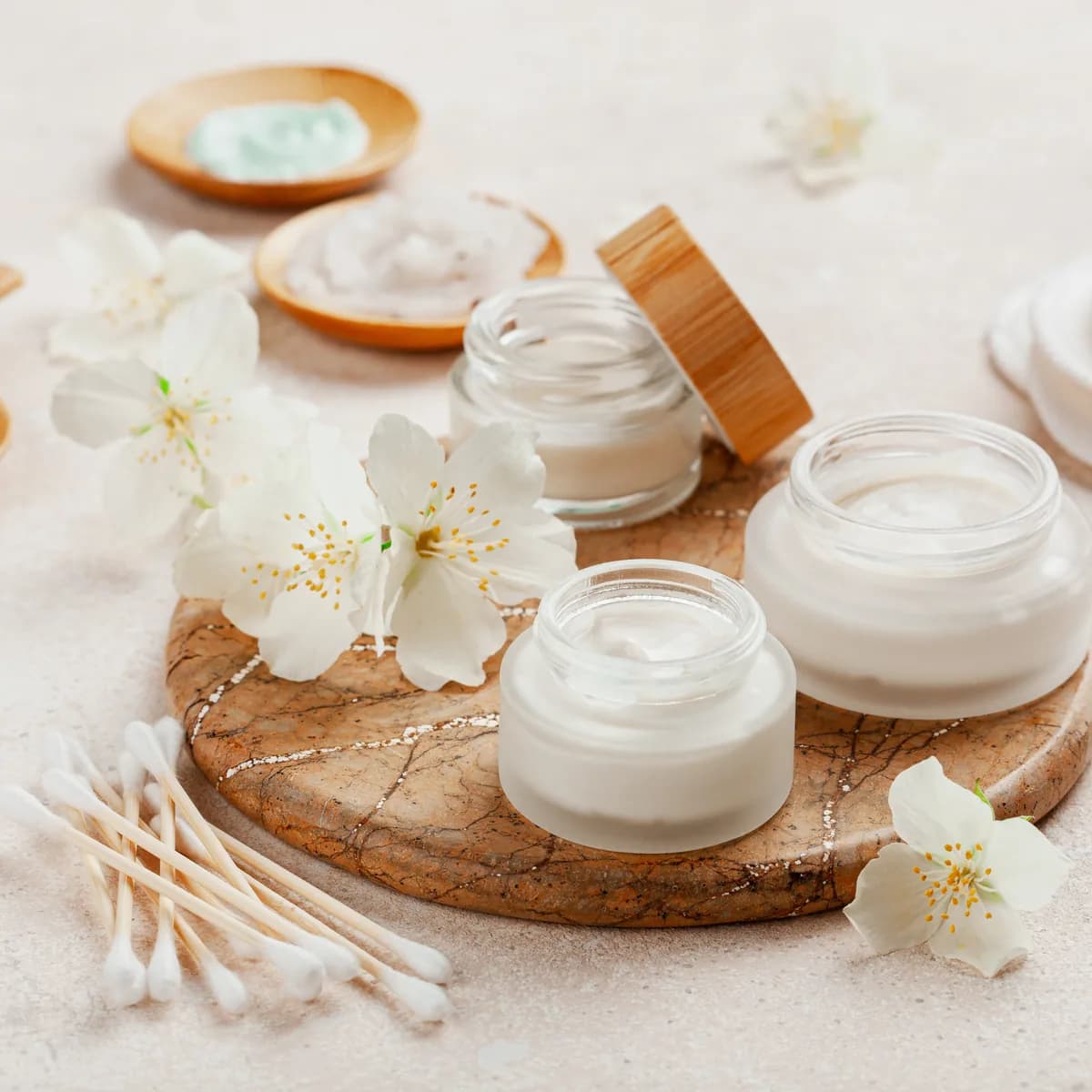
- Your highest-scoring leave-on skin product (usually a daily body lotion or foundation). Run the three-question method, buy the cleaner version when your current one runs out, and check it on INCIdecoder first. See Personal Care & Beauty.
- One cleaning product you use most, swapped as the bottle empties. Start with Best Non-Toxic Cleaning Products.
- Glass food storage, bought a set at a time. A one-time cost with years of value. See Food & Kitchen.
The Bottom Line
Low-tox living starts with one swap, not a shopping spree. Score your everyday products on three questions, how often you use them, how much skin they cover, whether they stay on or rinse off, and pick the highest scorer. For most people that is a leave-on skin product. Use up what you have, buy the cleaner version when it runs out, check it on INCIdecoder, and leave everything else alone for now. That is it. One swap today beats a perfect plan you never start.